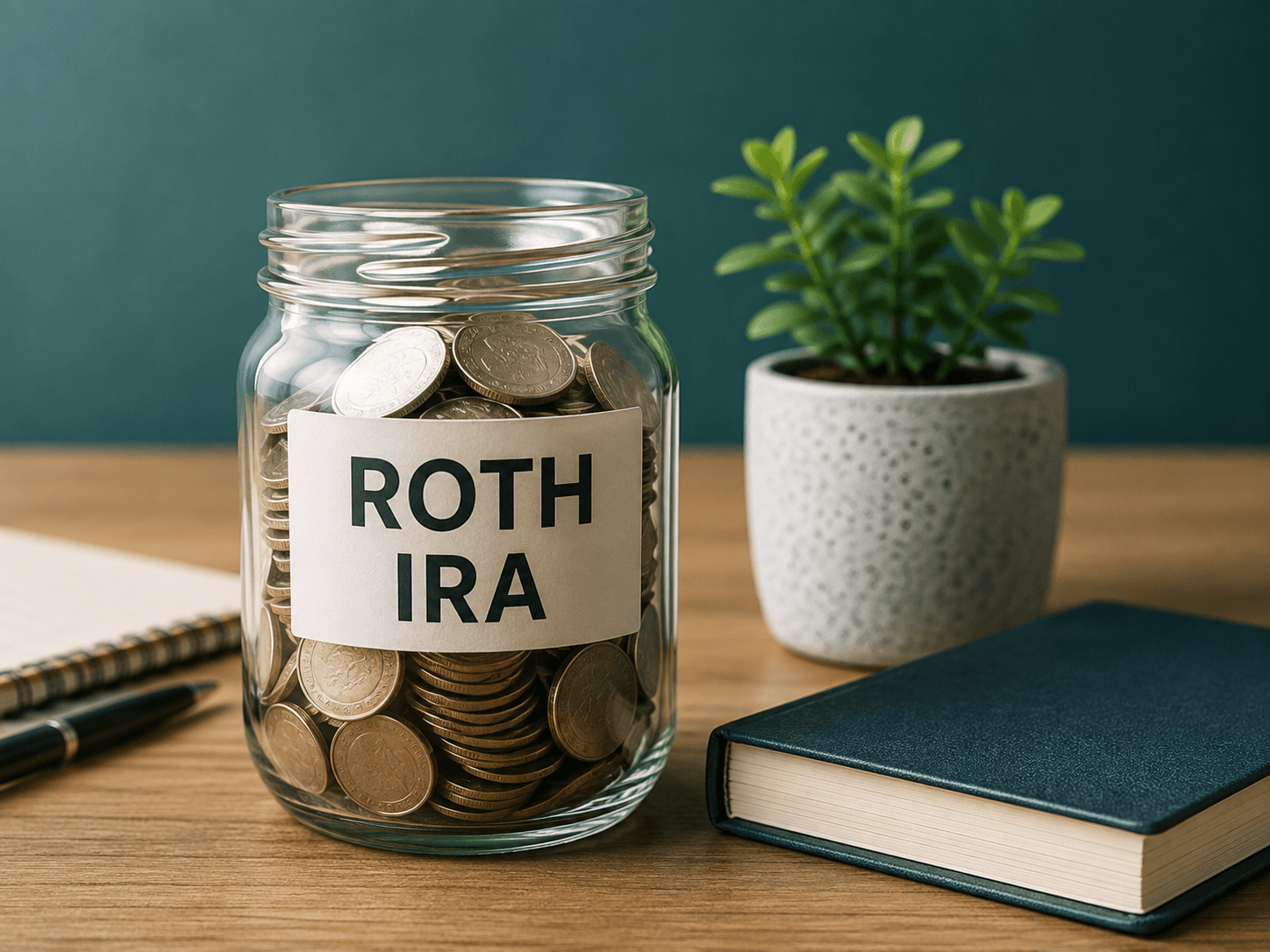
When you think of retirement, what comes to mind? Maybe images of older adults—relaxing on the beach, traveling the world, living on their own terms. For most teens, retirement feels distant, a someday problem for people with corporate jobs and complicated portfolios. But here’s the truth: you don’t need a finance degree or a six-figure salary to start building a powerful future. As a high schooler with a part-time job, you can give yourself an advantage most people never get. The key is a Roth IRA.
A Roth IRA isn’t mysterious or reserved for businessmen in suits. It’s simply an account with one remarkable feature: you contribute money you’ve already paid taxes on, invest it, and decades later, both your contributions and all the earnings those investments generate can be withdrawn tax-free. That combination—decades of growth, legally untouched by taxes—is rare in the world of personal finance. Unlike a traditional IRA, which gives you a tax break now but taxes your withdrawals later, the Roth locks in today’s rate, which for most teens is already at the lowest bracket they’ll ever see in their lives (possibly even zero). This means you’re paying minimal tax now and avoiding potentially much higher taxes in the future.
Opening one as a teenager is more straightforward than it sounds. The only requirement is that you must have earned income, meaning money from a job—whether that’s making boba drinks, tutoring, babysitting, lifeguarding, lawn care, or any other legitimate work. You can contribute up to what you earn in a year, capped at $7,000 for 2025. Because you’re under 18, you’ll open what’s called a custodial Roth IRA, where a parent or guardian’s name is on the account until you reach adulthood. Brokers like Fidelity, Vanguard, and Schwab make this process easy with online applications, often with no account minimums and low-cost investment options.
It’s important to remember that a Roth IRA is just a container—it holds your investments but doesn’t decide what those investments are. Once you put in your contributions, you get to choose where the money goes. For most beginners, broad, low-cost index funds are a smart starting point. They spread your money across hundreds or even thousands of companies, lowering your risk while letting you grow alongside the overall market. Exchange-traded funds (ETFs) work similarly and can be bought and sold like individual stocks. If you’re a student funded with the stability of your guardians, you might even be adventurous enough to buy individual companies. Remember though, the real driver of long-term success at your age isn’t picking winners—it’s staying consistent with contributions and staying invested for decades.
The Roth IRA also offers more flexibility than most people realize. While it’s designed for retirement, you can withdraw the money you originally contributed at any time, without taxes or penalties. That means if you put in $3,000 over a few years and later decide you need that $3,000 for a major expense—for example, part of a down payment or tuition—you can take it out with no penalty. The earnings, however, are different. Withdrawing those before age 59½ usually triggers taxes and penalties, unless it’s for specific exceptions like qualified education expenses or a first home purchase. This makes the Roth IRA a unique balance of long-term growth potential and short-term safety net.
Of course, no investment vehicle is perfect. Contribution limits mean you can’t dump in unlimited amounts—the most you can put in for 2025 is $7,000, and only if you’ve earned that much. There’s also no immediate tax deduction like with a traditional IRA, so you won’t see your yearly tax bill drop from your contributions. And because your money is invested in the market, it will fluctuate in value. There will be years when your account balance goes down before it goes up again. Of course, for a teenager with decades ahead, these short-term ups and downs should be far outweighed by long-term benefits.
To understand the power of starting early, imagine you invest $7,000 at age 17 and never add another cent. If that money earns an average annual return of 8%, by age 67 it will have grown to over $130,000—completely tax-free. Now imagine adding just $2,000 each year through college and early work years; that could grow into over half a million dollars without you having to invest a penny in your 30s, 40s, or 50s. That’s the advantage most adults wish they had known about sooner.
If financial freedom is part of your plan, a Roth IRA is one of the smartest moves you can make. It turns part-time paychecks into long-term power, not through flashy trades or lucky bets, but by letting time and tax-free growth work together on your behalf. Start with what you can—$50, $500, or more—and increase it as your income grows. The earlier you begin, the more your money benefits from decades of growth. Most people don’t think about retirement until their thirties or forties. You can choose differently. Open the account. Make your first contribution. Then let time do the heavy lifting.