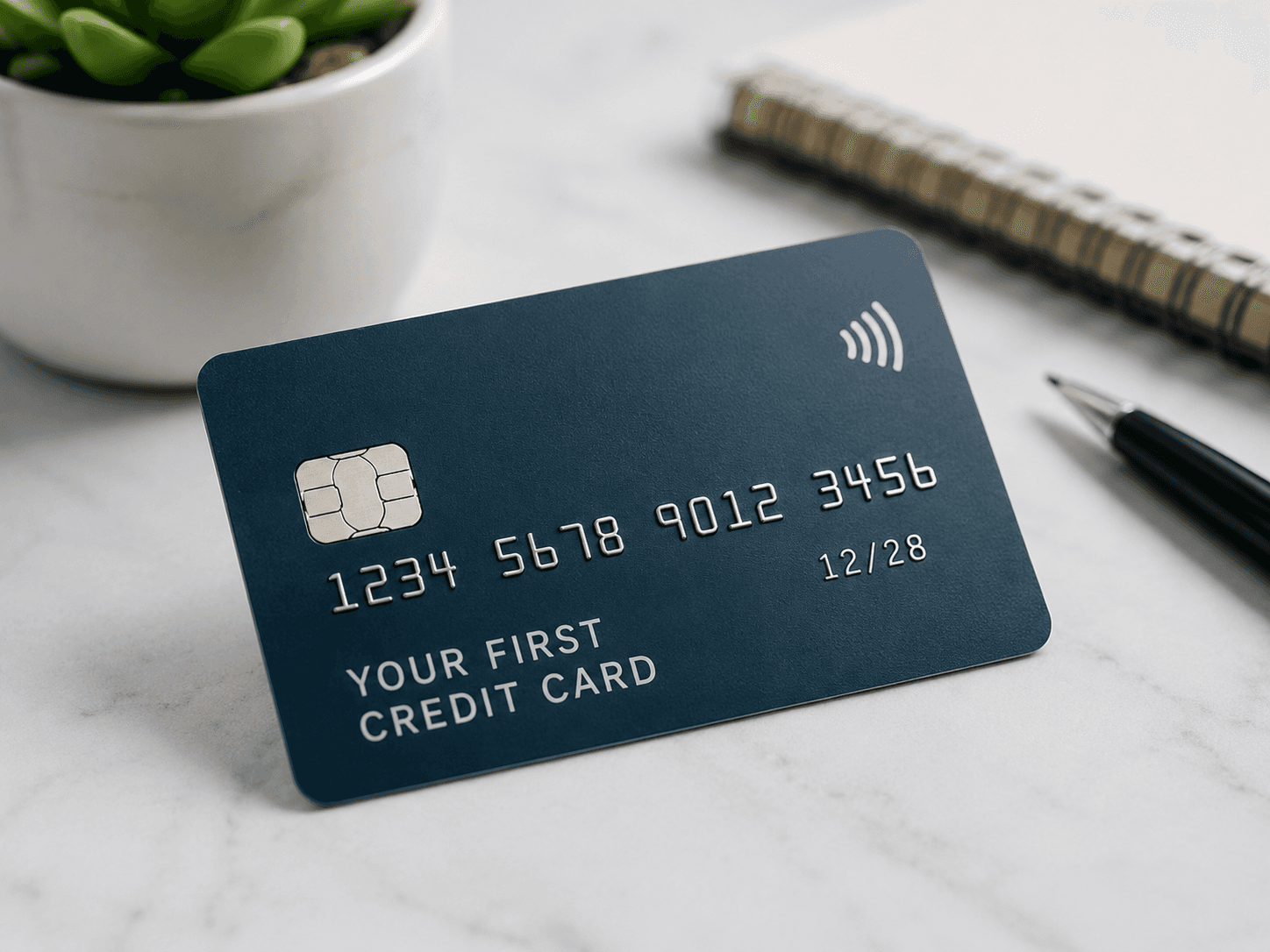
When you turn 18, it can feel like the world silently upgrades you to a new level. Suddenly, you can vote, sign your own forms, and even start getting offers from banks telling you that you’re “pre-approved” for a credit card. At first, it feels strange—why would a bank trust you with their money? But then you hear the voice of countless adults saying, “I wish I’d started building credit earlier.” That’s when a complicated question forms: should you apply now, or wait until you have a steady job and income?
You’ll probably get mixed advice. Your parents might give you the cautious look—they’ve seen people fall into debt just by swiping without thinking. But maybe an older sibling, cousin, or friend tells you that getting a credit card at 18 was one of the best choices they ever made. The answer? You have to treat it like a tool, not free money. If you can’t pay it off in full every month, don’t use it. That one rule could save you from a lot of trouble.
The truth is, a credit card isn’t just about convenience. It’s about your future. Every time you borrow and pay back on time, that history goes onto your credit report. Over months and years, this builds your credit score—basically your money reputation. That score decides whether you can rent an apartment, get a car loan, or even qualify for certain jobs. If you start at 18, by the time you graduate college, you could already have years of solid credit history helping you land lower interest rates and easier approvals.
Of course, there’s a dangerous side. Credit cards come with interest rates that can easily hit 20% or higher. If you owe just $500 and only pay the minimum, it could take months or years to pay it off—and you’ll end up spending far more than $500 in the process. One late payment can drag down your credit score and stay on your record for years.
That’s why it’s necessary to set rules for yourself. Maybe you only use your card for one regular expense, like gas or Spotify. Never swipe it for something you couldn’t already pay for in cash. Set autopay for the full balance so you never miss a due date. And don’t let the bank’s credit limit trick you—your real limit should be whatever you can comfortably pay off that month.
The good news is, there are beginner-friendly options. Student credit cards usually have lower limits and no annual fees. Secured credit cards work like training wheels: you put down a deposit, maybe $200, and that becomes your spending limit. You can’t overspend, but you still build your credit history.
If you approach it with the right mindset, the answer becomes clear. Yes—you should get a credit card at 18, but only if you’re ready to play the long game. Because it’s not about having extra money to spend now, it’s about opening doors later. Future you—the one renting an apartment, buying a car, or applying for a mortgage—will thank you for starting early and smart.
When your first statement comes, you’ll notice it feels different from a paycheck. A paycheck is money you earned; a credit card bill is money you borrowed and promised to repay. The real win isn’t the item you bought—it’s the quiet boost to your credit history, the kind of thing that grows in the background until you really need it.
A credit card at 18 can be your first big financial advantage—or your first big mistake. The difference isn’t luck. It’s how you use it.