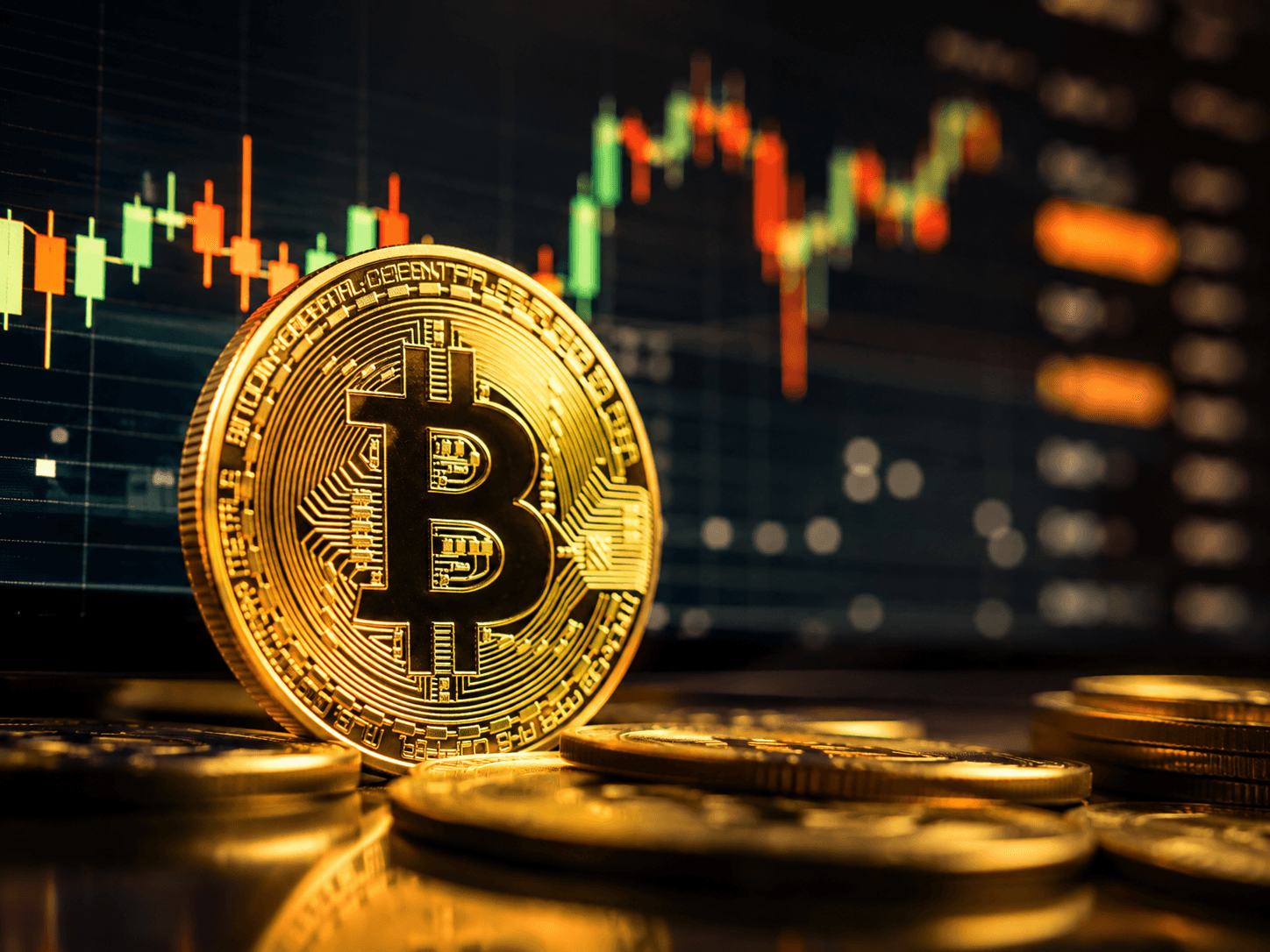
Imagine a town built on the edge of a vast mountain range. Beneath the stone lies a hidden treasure, gold. In the old world, miners with picks and shovels worked to extract the metal, which became coins, jewelry, and currency. In the new digital frontier, the mountain is made of code, and the treasure is Bitcoin. The tools are not shovels but computers, and the work is not physical digging but solving mathematical puzzles.
Bitcoin, and cryptocurrencies like it, are valuable because they combine three things: the ability to trade freely without banks, the trust of a public record that no one can secretly change, and the scarcity of a resource that cannot be endlessly produced. The mining process is at the heart of this. Just as physical miners dig deeper into mountains to unearth gold, digital miners use computing power to validate transactions and, as a reward, release new Bitcoin into circulation. This is how new coins are “created.” The supply is limited, capped forever at twenty-one million coins, which is what gives Bitcoin its comparison to digital gold. Scarcity is not an accident; it is written into the code, ensuring that unlike paper money, it cannot be printed endlessly.
But mining alone does not give Bitcoin value. Gold sitting in the ground has no worth unless people agree it is desirable. Bitcoin gains value because it can be traded, spent, and trusted. Each time someone sends Bitcoin, the transaction is recorded in the blockchain—the city’s great scribe—visible to everyone but alterable by no one. The scribe is the reason the system works without banks. No single authority decides what is valid; instead, thousands of miners compete to confirm transactions, and the majority must agree. This decentralized process replaces the role of a banker stamping “approved.” It is slower than swiping a credit card, but it is more transparent and resistant to tampering.
Picture a bustling marketplace in the city square. People trade goods, services, or simply money itself. Bitcoin’s marketplace is global, open twenty-four hours a day, and free of borders. Two strangers on opposite sides of the world can exchange value in minutes without needing a bank to intermediate. The miners secure the marketplace, the blockchain records each trade, and the scarcity of coins ensures that no one can flood the system with counterfeits. Together, these elements make Bitcoin valuable—not because it has physical form, but because people believe in its usefulness as money, its rarity as a resource, and its security as a network.
Skeptics often ask, “How can something invisible be worth thousands of dollars?” The answer is the same as with gold. A chunk of yellow metal has no use for survival—it cannot be eaten, and in small amounts it has little industrial use. Yet gold became valuable because humans agreed it was scarce, beautiful, and reliable as a store of wealth. Bitcoin follows a similar path. It is scarce by design, with fewer coins each year as mining grows harder. It is durable because it exists as data rather than a physical object that can corrode or disappear. And it is portable—millions of dollars can be carried in a password, unlike gold bars that weigh tons.
Of course, Bitcoin’s city is not without risks. The mining race consumes vast amounts of energy, sparking debates about sustainability. The marketplace can feel like a boomtown, where prices rise and fall wildly with the tides of speculation. And unlike a bank, there is no insurance—lose your password, and your fortune may vanish forever. But these risks are part of the frontier nature of crypto. Its rules are not set by governments but by algorithms, and its value is not decreed but agreed upon.
In the end, Bitcoin works because it merges three forces into one system. Mining releases coins slowly and predictably, enforcing scarcity. The blockchain records every transaction, enforcing trust. And global trading gives it liquidity, enforcing value. It is not perfect, and it is still young, but like a gold rush city that grew into a permanent settlement, Bitcoin has proven that digital money can endure. The real question is not whether Bitcoin is valuable, but whether its value will remain a flicker of frontier excitement or the foundation of a new financial order.